A kidney transplant is a surgical procedure in which a diseased or non-functioning kidney is replaced with a healthy kidney from a donor. It is one of the most effective treatments for patients suffering from end-stage kidney disease or chronic kidney failure.
Under the expertise of Dr. Rohit Kaushal, patients receive comprehensive care — from pre-transplant evaluation and donor matching to surgery and lifelong post-transplant follow-up. The goal is to restore normal kidney function, improve quality of life, and ensure long-term success.
In the realm of organ transplantation, kidney donation remains a critically important procedure, especially given the rising number of patients worldwide suffering from chronic kidney disease. As the demand for donor kidneys continues to outpace the available supply, innovative surgical techniques have emerged to make the donation process safer and more efficient for living donors.
One such significant advancement is Laparoscopic Donor Nephrectomy (LDN), a minimally invasive surgical method that offers numerous benefits for individuals choosing to donate a kidney.
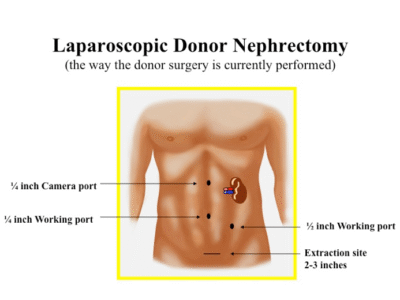
Laparoscopic donor nephrectomy involves the surgical removal of a kidney through several small incisions, typically measuring less than an inch. This technique utilizes a miniature camera (laparoscope) and specialized instruments, which are inserted through these small ports. The camera transmits high-definition images of the internal organs to a monitor, allowing the surgeon to view the surgical field and perform the procedure with precision.
This method stands in contrast to the traditional open nephrectomy, which necessitates a larger incision and is associated with longer hospitalization and recovery times.
The adoption of LDN has revolutionized living kidney donation by significantly improving the donor experience. The minimally invasive nature of the procedure offers distinct advantages:
Reduced Pain: Smaller incisions typically result in less post-operative discomfort.
Shorter Hospital Stay: Donors can often return home sooner compared to traditional surgery.
Faster Recovery and Return to Normal Activities: The recovery period is significantly shortened, allowing donors to resume their daily lives more quickly.
Improved Cosmetic Outcome: The smaller incisions result in less noticeable scarring.
LDN represents a commitment to donor well-being, making the selfless act of kidney donation a more manageable and safer procedure.
Kidney transplantation is a critical medical procedure that can profoundly improve the quality of life for individuals suffering from End-Stage Kidney Disease (ESKD). As renal failure progresses, the kidneys lose their ability to filter waste from the blood, leading to severe health complications.
Kidney transplantation involves surgically placing a healthy kidney from a living or deceased donor into the patient’s body. It is often the preferred treatment option for patients with ESKD, as it can restore normal kidney function and eliminate the need for dialysis, which can be a burdensome and time-consuming process.
Kidneys for transplantation are sourced from two main types of donors:
Living Donors: A healthy person can donate one of their kidneys. Living donor transplants generally have superior outcomes due to the optimal condition and shorter preservation time of the kidney at the time of transplantation.
Deceased Donors: Kidneys are obtained from individuals who have passed away, typically following a declaration of brain death. The waiting list for a deceased donor kidney can be extensive, often leading to significant delays for many patients.
The journey to a kidney transplant is a carefully structured process:
Evaluation: Before undergoing a transplant, patients undergo a comprehensive evaluation to determine their suitability. This includes physical examinations, extensive blood tests, imaging studies, and psychological assessments. The aim is to ensure the patient is healthy enough for surgery and to identify any potential complications.
Waiting List: Patients awaiting a deceased donor kidney are placed on a national waiting list. Organ allocation is based on various factors, including medical urgency, compatibility, and the length of time spent on the waiting list.
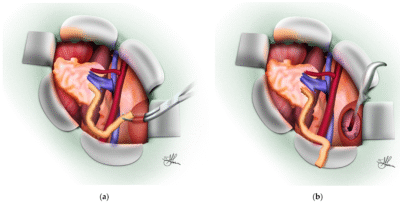
The Surgery: Once a suitable donor kidney is found, the transplant surgery is scheduled. The procedure typically lasts about 3 to 5 hours and involves placing the new kidney into the lower abdomen. The surgeon connects the kidney’s blood vessels and ureter to the recipient’s circulatory system and bladder.
Kidney transplantation offers significant advantages over long-term dialysis:
Improved Quality of Life: Many recipients report enhanced well-being, increased energy, and a full return to normal daily activities post-transplant.
Long-term Survival: Kidney transplants often provide longer survival rates compared to prolonged dependence on dialysis.
Reduced Healthcare Costs: While the upfront cost of transplantation can be high, it generally leads to lower long-term healthcare expenses compared to the ongoing costs of lifelong dialysis treatment.
While kidney transplantation is generally safe, it carries certain risks that must be carefully managed:
Rejection: The recipient’s body may recognize the new kidney as foreign and attempt to reject it, necessitating the lifelong use of immunosuppressive medications to reduce this risk.
Infection: Immunosuppressive drugs, which suppress the immune system to prevent rejection, can increase the likelihood of infections.
Surgical Complications: As with any major surgery, there are risks such as bleeding and infection at the surgical site.
Post-transplant care is crucial for the long-term success of the procedure. Recipients must adhere to a strict regimen of medications, including immune suppressants, to prevent rejection.
Regular follow-up appointments are essential to monitor kidney function, manage medications, and detect any complications early.
Recipients are also strongly encouraged to adopt a healthy lifestyle, which includes:
A balanced diet
Regular physical activity
Avoiding tobacco and limiting alcohol consumption
Staying properly hydrated
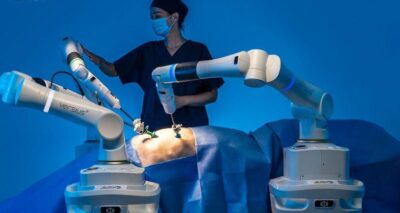
Dr. Rohit Kaushal is at the forefront of innovative surgical solutions, offering Robot-Assisted Kidney Transplant for eligible patients. This advanced, minimally invasive approach utilizes state-of-the-art robotic technology to perform kidney transplantation with enhanced precision and control.
Minimally Invasive: Smaller incisions lead to reduced scarring and discomfort.
Enhanced Precision: Robotic instruments provide surgeons with superior dexterity and visualization.
Faster Recovery: Patients often experience quicker healing and a shorter hospital stay.
Reduced Complications: The precision of robotic surgery can lead to fewer post-operative issues.
Under the expert care of Dr. Rohit Kaushal, patients can expect compassionate, cutting-edge treatment tailored to achieve the best possible outcomes. Discover how this advanced technique can offer a new beginning in your journey to kidney health.
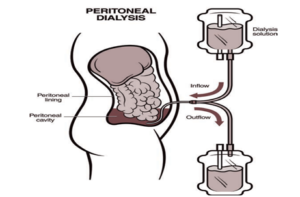
Minimally Invasive Techniques: Utilizing advanced surgical methods to ensure patient comfort and optimal outcomes.
Precision and Expertise: Dr. Kaushal’s experience ensures accurate and secure catheter placement, crucial for long-term dialysis success.
Comprehensive Care: From initial consultation through the procedure and post-operative guidance, Dr. Kaushal’s team provides compassionate and thorough support.
If you are considering peritoneal dialysis, or have been advised to undergo PD catheter insertion, contact us to schedule a consultation with Dr. Rohit Kaushal to discuss this important procedure.
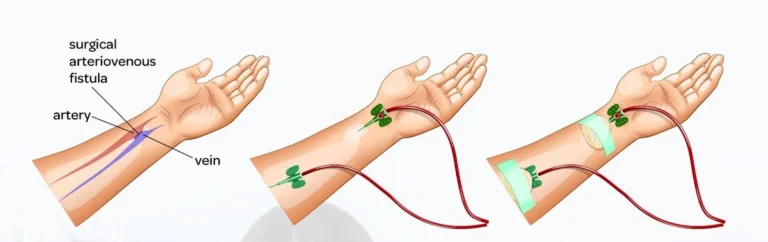
For patients requiring hemodialysis, a reliable and long-lasting vascular access is crucial. Arteriovenous (AV) Fistula Surgery is the gold standard for creating this essential connection, offering the most effective and durable solution for dialysis access.
Dr. Rohit Kaushal specializes in performing AV Fistula creation with precision and expertise. An AV fistula is a surgical connection between an artery and a vein, usually in the arm, which allows the vein to enlarge and strengthen, making it ideal for repeated needle insertions during dialysis.
Optimal Dialysis Access: Provides a robust and high-flow access for efficient hemodialysis.
Lower Complication Rates: Compared to grafts or catheters, fistulas have fewer infections and blockages.
Long-Term Durability: Designed to last for many years, reducing the need for repeat procedures.
Improved Quality of Life: Enables more comfortable and consistent dialysis treatments.
Dr. Kaushal is committed to ensuring optimal outcomes for his patients, utilizing advanced surgical techniques to create functional and sustainable AV fistulas. We prioritize patient comfort and comprehensive post-operative care to support your journey to better health.
Dr. Rohit Kaushal is a leading Urologist and Robotic Surgeon in Delhi, specializing in kidney transplant, prostate, and reconstructive urology with compassionate patient care.
© 2025 Created with Digital Growth Well